Reprogram-Your-Thinking

Robots with a pulse or Engaged employees?

There is a Charlie Chaplin movie Modern Times. Chaplin is portrayed as a factory worker employed on an assembly line. There, he is subjected to such indignities as being force-fed by a malfunctioning “feeding machine” and an accelerating assembly line where he screws nuts at an ever-increasing rate onto pieces of machinery. He finally suffers a nervous breakdown and runs amok, throwing the factory into chaos.

From early history prior to the industrial revolution, it seems that humans took responsibility for their lives, made decisions favourable or not, but took ownership for those decisions.

The industrial age through to the manufacturing age introduced the division of labour and specialisation. It was a time when one or a few individuals made decisions, the often-heard phrase “you were hired to work not to think” stripped workers of their most valuable and liberating asset  – the human brain. Most workers were destined to become mere “a robots with a pulse”. The  Charlie Chaplin movie Modern Times, provides a glimpse of the role of the employee through those ages.

Now, in the information age and moving into the digital age, we expect people to keep up, to make decisions, to think for themselves, to innovate and lead; but the pattern of behaviour created over time will not allow for this.

How do we create work environments that encourage thinking, where people take ownership and responsibility for their deliverables and decisions, where people solution focused  and there are opportunities and leadership possibilities? A more relevant question would be: Why do we need to have these changes in the work environment?

From an organisational point of view, it is vital that we have solution focused thinkers in the workspace. Many individuals’ collective actions and behaviour create the culture of the organisation and ultimately impact on the all-important bottom line. Gone are the days when a few senior leaders could make a decision and see the results of that decision as planned. Firstly, a few people may not have all the answers, nor have the capacity to do so and secondly, the workforce makes these decisions a reality or not through the collective behaviour and actions of people. Do you often wonder as a manager or leader why plans and decisions do not transpire into results?

From an individual perspective, we have always made decisions. It’s part of our make-up. If we don’t re-programme our brain we will be left behind amongst those that allow others to drive us in our personal and professional lives while remaining in the passenger seat with little or no say. When we reach our destination we, wonder how we had arrived and how life has passed us by without an active role and choice in designing it.

What you could consider as an individual: – 

Have awareness of your patterns of thinking and behaviour. What do you do and say? What reaction and result do you get from this. If the behaviour or programme is not working, consider an alternative and observe the results.

You spend over 70% of your life at work – choose the work you do that puts you in flow. Where your passion and energy is ignited. Motivated people are healthier, happier and more engaged. We don’t have all the answers, seek information and collaborate with people around you. Be with people who support and empower, not those that pull you down. Take responsibility and make decisions, be a leader in your space. Seek feedback from friends, family and colleagues – continuously learn, grow and improve in all that you do. Build relations don’t break them.

What do high performing organisation do?

  • Encourage thinking – give people permission to innovate and be creative.
  • Learn from mistakes – continuously improve
  • Coach people – ask questions from people – peers, subordinates and managers to discover solutions to problems and challenges
  • Clarify roles and responsibilities and decision making authority – support people in decision making
  • Recognise and appreciate people for their contribution
  • Create trust in the work environment by being human

Bring back the human being into the workplace – a thinking person is healthy, happy, engaged and high performing.


hands-light-hope

Here’s to a more focused and motivated you in 2022

A new year is typically accompanied by a fresh approach and reinvigorated drive to make improvements to our lives and lifestyles. Whether it’s dropping a few kilograms or achieving that promotion you’ve been after for a while, it’s important to go about achieving what you want in 2022 in ways that are sustainable and SMART.

By, SMART, we mean SMART goal setting – making your goals Specific, Measurable, Achievable, Realistic, and Timely. This entails:

  1. Specific: making sure your goals are well defined, clear, and concise.
  2. Measurable: having specific criteria in place to measure your progress along the way to accomplishing your goal
  3. Achievable: Is your goal actually attainable and not impossible to achieve?
  4. Realistic: Your goal must be within reach, realistic, and relevant to your life purpose
  5. Timely: Ensuring you are following a clearly defined timeline, which includes a start and deadline date. The purpose of this aspect is to create a sense of urgency that pushes you to achieve your goal.

Unlike new year resolutions that can often be vague and unsustainable, setting a goal according to the SMART methodology is a more efficient way of achieving what you really want. That doesn’t mean it’s easy or a ‘quick fix’ – sticking to goals takes hard work, determination, planning and support.

If sticking to a goal feels too overwhelming, or perhaps you’ve been down the same road before unsuccessfully, a coach can support you in achieving your goals. Awakening Excellence offers executive business and life coaching on a one-on-one and group basis to help with this very challenge, and we can certainly help you start achieving the life you want today!

While 2021 may have been a whirlwind for many of us, 2022 can be the start of a new, more fulfilling life where we open ourselves up to opportunity, possibility, and the power that is inherent in all of us.

Let’s get started on building the life, career and business you want and deserve from 2022 onwards. Get in touch with us by sending an enquiry email to info@awakeningexcellence.co.za or call 0113262314 for more information.

Thabiso-Baloyi-board-member-2

Thabiso Baloyi: Addressing the digital divide in coaching

Thabiso Baloyi works with Awakening Excellence and specialises in coaching for business,
career and personal empowerment and growth.

Prior to the pandemic, coaches and their clients would engage predominately on a face-to-face basis. Much like any other skills development session or even therapy, being physically present in a room together is thought to be the most efficient way to ensure skills transfer and for the client to
feel heard, seen and understood.

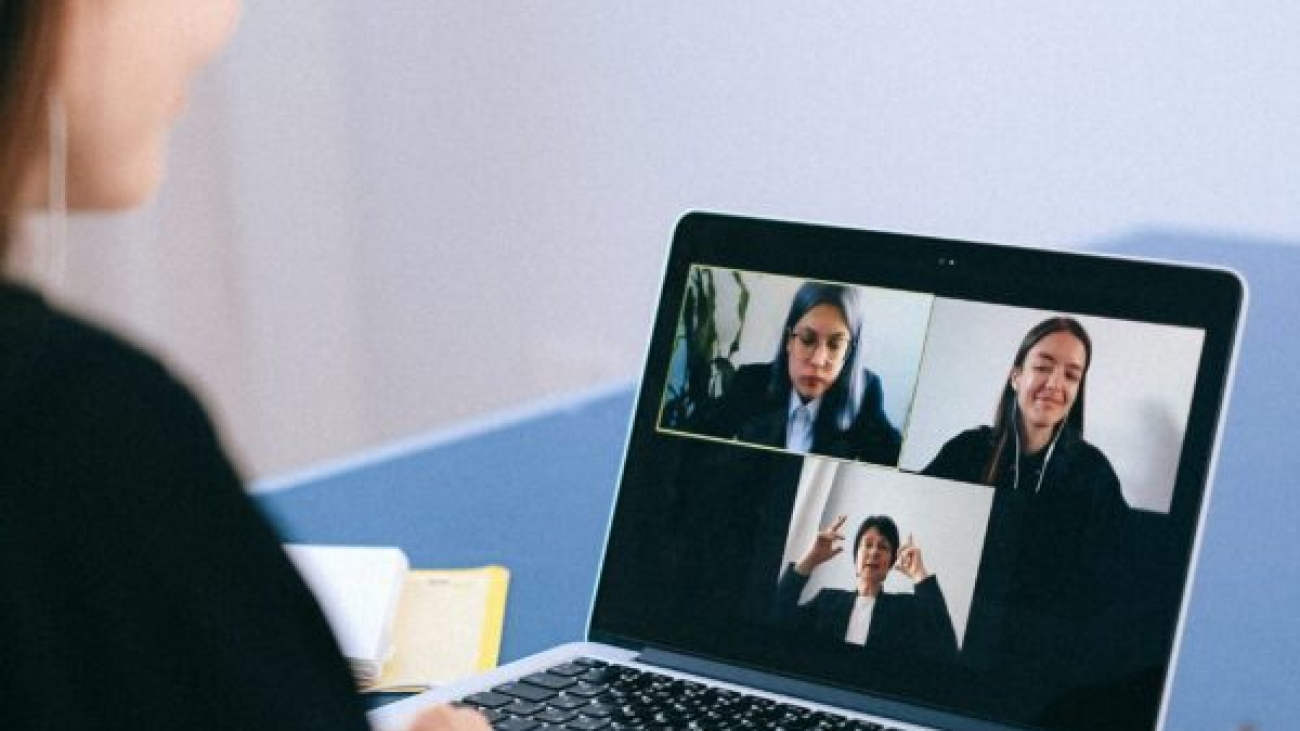
The pandemic turned this notion on its head, driving coaches – like the rest of the world’s professionals – to quickly adapt to doing coaching sessions over video conferencing platforms.

However, says Thabiso Baloyi, this shift created another challenge for the industry’s small businesses and private coaching professionals in the process.

“Yes, there was an increase in interest around coaching interventions, but we found that big
corporates would approach other big institutions for coaching instead of small businesses and
private coaches,” says Thabiso Baloyi. “There was a perception that the bigger coaching institutions
offered more state-of-the-art facilities in terms of video conferencing for remote coaching sessions,
which boosted their credibility.”

It’s true that platforms like Microsoft Teams and Zoom are an extra cost – particularly if a small
business isn’t already signed up for certain software packages that grant them access to Teams, and
Zoom charges a fee for unlimited live video chatting. A small business or private coach may not be in
the position to afford the added expense, especially during the pandemic when business was already
slow.

On the other hand, WhatsApp calls and video chats for example allowed many coaches to engage with clients
for free. The problem then was that clients were faced with the high cost of data in order to attend
these sessions, which was not always feasible.

“Our industry depends on communication, and these factors caused a great deal of disruption
especially for the smaller players in the industry, many of which will have gone out of business as a
result,” says Baloyi.

There are, however, many other merits to working with small coaching businesses that South
Africa’s large corporate would do well to remember. These include:

  • Flexibility – small businesses can vary coaching hours to suit their clients, while large businesses often adhere to stricter working hours.
  • Innovation – Small businesses can quickly adapt to new technology and digital platforms, where corporates might need to recover the costs of their legacy systems before considering new technology.
  • Lower coaching fees as overheads are kept to a minimum
  • Supporting the growth of the SMME sector
  • Better at managing client relationships and affording the client focused attention
  • Meeting B-BBEE scorecard points
  • Small coaching businesses and private coaches have the same qualifications, experience and ability as any other business

Hybrid learning and the future of coaching

The success of training and coaching interventions has traditionally relied on face-to-face interaction. The idea is that engagement is higher and more fruitful when facilitators and coaches are able to address the individuals or groups in person – and, naturally, retention is higher, and people take away more from the sessions.

However, COVID-19 and the implementation of lockdown restrictions altered this reality and turned the coaching industry on its head. Coach and Coachees, Trainer and Learners were all forced to embrace the digital platforms, and the process has been a shift for many.

“Over 90 percent of my current training, facilitation and coaching is now done virtually. I had to adjust learning material and presentation style to the new reality for online presentation and facilitation. It was a huge learning curve,” says Shan Moodley, award-winning TV/film producer and Coach at Media Africa.

And while the switch to virtual engagement has its pitfalls – including disengaged learners able to “mute and switch off their cameras while they attend to other chores” – there’s room for virtual training to at least co-exist alongside face-to-face interventions long after the pandemic, in a hybrid model.

“Businesses and teaching institutions have seen the value of virtual teaching, as it saves time, money and has a high, wider reach resulting in an economic rethink,” he says. “Personally, however, the excitement of being in a classroom, interacting with learners, reading body language, non-verbal reaction and especially facial expression is invaluable as to me as a practitioner.”

The pandemic may have plunged the training and coaching industries into the digital era before it was fully ready, but embracing this change has ensured trainers, facilitators and coaches like Shan are able to future-proof their businesses and professions ahead of future unforeseen disruptions.

Effective-written-and-verbal-Communication-and-Time-Management-scaled-e1637090844523

Bottom line: a toxic work culture is bad for business

“Culture eats strategy for breakfast.” Peter Drucker’s famous quote rings just as true today as it did in 2006 when he first uttered the words, reminding us that no matter how well considered your strategy may be, it’s nothing more than a paper exercise without engaged employees who contribute meaningfully to company culture to execute it.

Reaching the end of the financial year only to find that there was no shift in business performance, despite ticking all the boxes on strategy is an experience many leaders dread, especially with the Board and key stakeholders to answer to.

An unhappy work environment casts a dark cloud over a company, its people, and its operations. It causes an unfortunate ripple effect that permeates every facet of a business and threatens its very existence. By now, most leaders are aware of this cycle: toxic, disabling work cultures result in unhappy, disengaged employees and, by extension, poor productivity. All this spells trouble for a business’s bottom line.

From dealing with organisational change to navigating office politics, there are many factors constantly at play and contributing toward the overall culture of an organisation. Leadership teams have an important role to play in this regard, ensuring there is effective communication and dialogue taking place between employees and management, that there are measures in place to prevent favouritism, bullying, and unhealthy workplace practices.

It sounds simple enough to just tick these items off the ‘detoxify your workplace’ list. However, taking a well-considered and holistic approach to improving workplace culture is crucial to ensuring sustainable transformation in the long run.

What do we mean when we talk about a ‘holistic’ approach? It has to do with taking the whole organisation and all its parts into consideration, instead of zeroing in on or trying to ‘fix’ just one single aspect. Consider, for example, the ripple effect that unhappy employees have on productivity and the bottom line – remedying this involves examining the environment that people operate within and performing a complete evaluation of all its parts.

  1. Leadership

A strong leadership team fosters an engaged workforce and helps to retain valuable talent. Strengthening the leaders of an organisation starts with role modelling the organisational values, involving employees in setting and achieving business objectives, and participating in decision making. We know that a lack of communication often leads to distrust, dissatisfaction and grapevine talk across all levels of an organisation – keeping everyone in the loop, especially when it comes to change and decision-making, prevents dissension and misinformation through gossip.

  1. Management

Next in line are the managers of a company, who have a direct impact on staff morale and productivity. It is a known fact and well researched that people leave managers not the organisation, a manager’s behaviour should be enabling, open, encouraging and supportive, but in many cases, we find that they are the opposite, taking the fun out of work by stifling innovation and growth.

Across countries we have witnessed the promotion of technically skilled individuals to management positions without equipping them with the skills to manage. Management is not just a title but a job, like any other, this important role requires the manager to develop people, provide feedback, recognise, and appreciate work performance, coach, and mentor to name a few. Ensuring managers have the tools they need to manage effectively is crucial. Coaching interventions and training programmes designed to educate inexperienced managers on how to find their feet in their new roles are key to positive transformation.

  1. People

Employees need to have a clear understanding of their roles and responsibilities. If these are unclear, they cannot be expected to perform well or achieve their targets. Performance reviews that have been properly thought out and aligned with these responsibilities form part of this, and the implementation thereof is the responsibility of leadership and management.

In addition, encouraging employees to ‘buy in’ to the objectives, vision and values of the organisation is a crucial step in the cultural transformation process. Having a better understanding of these fundamental basics is key, as employees who don’t understand or believe in what an organisation is trying to achieve, won’t care about the role they play in contributing to this.

  1. Your strategic narrative

A strategic narrative is vital to ignite the passion in people, making them believe in the positive difference the organisation makes to people and greater communities.

According to a popular legend, during a tour of NASA headquarters in 1961, John F. Kennedy encountered a janitor mopping the floors. “Why are you working so late?” Kennedy asked. “Mr President,” the janitor responded, “I’m helping put a man on the moon.”

What great work does your organisation do?

“Employee engagement is not a tangible input,

but a result of the many practices

that create an environment and culture of engagement.”

It’s time to transform your workplace (including your work-from-home policy) to a more positive, enabling one. Finding out what your employees are feeling and experiencing working at your organisation is a major part of this.

Contact us now to take our employee engagement/climate and culture survey at info@awakeningexcellence.co.za.

Pandemic

What the pandemic taught us about good leadership

And in the blink of an eye, everything changed.

The pandemic has altered and disrupted how we socialise, shop and live, not to mention how we work and even how we do business. For leadership teams in companies across industries, there have been many challenges to contend with, such as keeping up morale and making sure employees have the tools they need to work effectively from home, all while dealing with so much uncertainty about the future.

The pandemic has tested leaders to the fullest, with many of them having honed their leadership skills and becoming more effective, solution-focused leaders capable of bringing out the best in people in the process.

How has this happened in such a short space of time?

Prior to the onslaught of COVID-19, authoritarian styles of management ruled the day. Strict office hours and rules were in place, the idea of allowing people to work from home was unheard of in most organisations and finding yourself in the decision-making seat meant years of toil and strife.

In just under two years after the world went into lockdown, the face of the typical workplace has changed dramatically – as have the traditional structures, rules and ‘norms’ that accompanied it. Leaders have had to adapt quickly, embrace change and learn to adopt a swift approach to decision-making, in many cases having to re-evaluate their management styles entirely.

Retaining talent during ‘The Great Resignation’ is another massive obstacle for leaders. In the US, many companies have been left with a record number of open positions, with one global survey indicating that a whopping 41% of employees plan on leaving their current jobs this year.

Plainly speaking, the pandemic has moved people to take stock of their lives and to start creating the futures they wish to live. People are no longer willing to remain in jobs where they may feel unappreciated, undervalued and invisible.

What has this taught us about being better leaders?

From presidents and CEOs to TV personalities and even celebrities, the pandemic has encouraged many people to use their skills, experience, and influence to not only steer their ships effectively, but to also offer support to others during one of toughest times the world has ever known.

Here are some of the qualities that emerged among some of the world’s most effective leaders during the pandemic.

Quick decision-making

Acting with urgency was and is crucial during any crisis. While the natural tendency among leadership teams is to wait until they have all the relevant information, the speed at which the COVID-19 virus was spreading, and the widespread devastation it caused economically, physically, mentally, and emotionally, left little time to react.

Adam Silver, the NBA commissioner, is a great example of a leader who showed decisiveness and forward-thinking, having made the decision to suspend professional basketball leagues as early as March 2020, after which the World Health Organisation announced coronavirus as a global pandemic. It was a surprise at the time, but by sticking to his guns and taking swift action, Silver helped to prevent the potential infections of millions of NBA spectators, sparking a positive ripple effect across the sporting sector in the US.

Employee engagement

Tech mogul Eric Yuan – founder and CEO of Zoom, the cloud-based video conferencing service that has seen incredible growth during the pandemic – is a great example of how compassion and truly caring about the well-being of employees is a mark of successful leadership.

“As a CEO, my number one job is not about the customer, product or service, it’s about our employees’ happiness,” Yuan says. “If I can make our employees happy, together we can make our customers happy.”

With the world’s workforce forced to adapt to remote working overnight, leaders who understand the importance of creating an engaged workforce ensure employees are taken care of and supported in what has been an incredibly stressful time for workers and leaders alike. This in turn, as Yuan rightfully points out, promotes a culture of high performance where employees contribute positively to overall organisational culture and the bottom line.

Empathy

Emotional intelligence is an incredibly important yet often underestimate leadership quality because it enables leaders to display empathy and understand how others feel. In a time when many people, especially employees, have felt disconnected (ironically, despite the always-on nature of working from home), disinterested and unsettled, leaders who make an effort to understand the circumstances of their people are vital.

New Zealand Prime Minister Jacinda Ardern’s leadership is modelled on empathy, contributing to the immense praise she has received for her handling of the pandemic not just from her home country, but worldwide. An example of this is the frequent Facebook Live chats she has taken part in, aimed at offering New Zealanders a friendly face, advice, and support from someone they could relate to, through lockdown. Her approach has made people feel safer and more capable of handling the challenges they are facing.

Embracing change to show up as a leader was no small feat for CEOs, managers and business owners over the past year and a half, but the leaders who are solution-focused, compassionate and willing to put themselves in others’ shoes have proven the most effective during the pandemic.

Leading and inspiring people for high performance contributes towards creating a culture of high performance and an engaged workforce. This, along with the skill of emotional intelligence may not be qualities that all leaders are born with but are certainly ones they every leader can learn.